

Drone-Assisted Cover Cropping in the UK: Using Drones for Cover Crops
Cover cropping is a vital practice for maintaining soil health, reducing erosion, and improving crop yields. Traditionally, sowing cover crops involves heavy machinery and significant labour. However, recent advances in drone technology have introduced a new method that is efficient, cost-effective, and suitable for various terrains. In this post, I will explain how drones are transforming cover cropping in the UK, the benefits they bring, and practical steps to implement this technology on your land.
How Drones for Cover Crops Improve Farming Efficiency
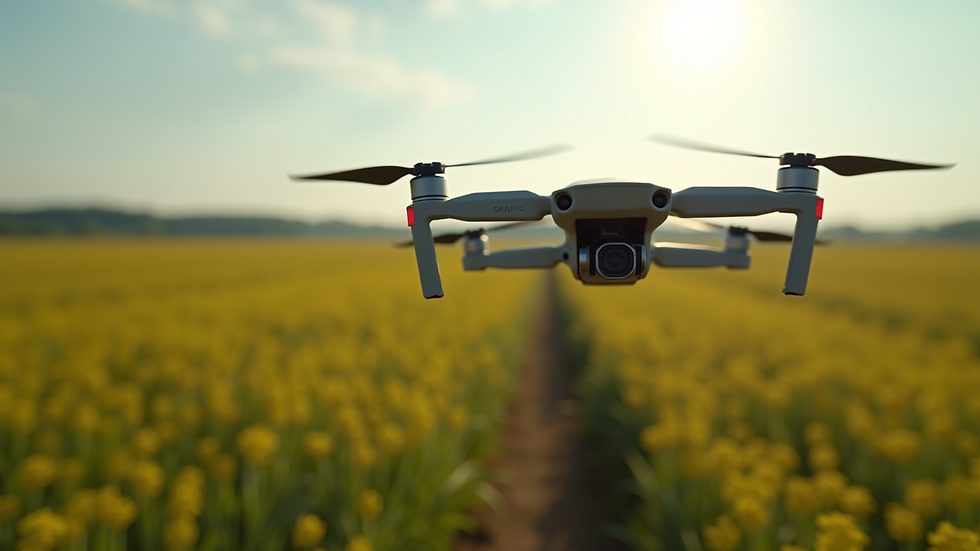
Drones equipped with seed dispersal systems can plant cover crops quickly and precisely. This method reduces the need for large machinery, which can compact soil and damage delicate landscapes. Drones can access hard-to-reach areas such as steep slopes, wetlands, and uneven fields where traditional equipment struggles.
Using drones for cover crops offers several advantages:
Speed: Drones cover large areas in a fraction of the time compared to manual or tractor-based sowing.
Precision: GPS-guided drones ensure even seed distribution and optimal planting density.
Cost savings: Reduced fuel, labour, and machinery maintenance costs.
Environmental benefits: Less soil compaction and lower carbon emissions.
For example, a 100-hectare field can be seeded with cover crops in a single day using drones, whereas conventional methods might take several days. This speed allows farmers to plant cover crops promptly after harvest, maximising soil protection during off-seasons.

Practical Steps to Adopt Drone-Assisted Cover Cropping
Implementing drone-assisted cover cropping requires planning and understanding the technology. Here are the key steps to get started:
Assess your land: Identify areas where drone seeding will be most beneficial, such as uneven terrain or fields with limited access.
Choose the right drone system: Select drones designed for agricultural use with seed dispersal attachments. Ensure they have sufficient payload capacity and flight time.
Prepare seeds: Some cover crop seeds may need treatment or coating to improve dispersal and germination.
Plan flight paths: Use mapping software to create efficient routes that cover the entire field evenly.
Train operators: Ensure drone pilots are certified and familiar with agricultural drone operations and safety regulations.
Monitor results: After seeding, track germination rates and plant growth to evaluate effectiveness.
By following these steps, you can integrate drone technology smoothly into your cover cropping routine. This approach also supports sustainable farming by reducing soil disturbance and chemical inputs.
Can the UK Defend Against Drones?
While drones offer many benefits for agriculture, they also raise concerns about security and privacy. The UK has developed regulations and technologies to manage drone use safely. The Civil Aviation Authority (CAA) enforces rules on drone flight heights, no-fly zones, and operator licensing.
For agricultural drones, compliance with these regulations is essential. Operators must:
Register drones over 250g.
Obtain a Flyer ID and Operator ID.
Follow flight restrictions near airports and populated areas.
Maintain visual line of sight during operations.
Additionally, the UK government invests in counter-drone technologies to detect and mitigate unauthorized drone activity. These measures ensure that drones used for cover cropping and other agricultural purposes operate safely and legally.
Benefits of Drone-Assisted Cover Cropping for UK Agriculture
The UK’s diverse landscapes and weather conditions make drone-assisted cover cropping particularly valuable. Here are some specific benefits:
Access to challenging terrain: Hills, wetlands, and small plots can be seeded without heavy machinery.
Reduced soil compaction: Drones eliminate the need for tractors, preserving soil structure.
Timely planting: Faster seeding helps protect soil during wet autumns and early winters.
Cost efficiency: Lower operational costs help farmers manage budgets better.
Sustainability: Encourages adoption of cover crops that improve soil organic matter and reduce fertiliser needs.
Farmers and land managers can use drones to plant a variety of cover crops such as clover, ryegrass, and vetch. These crops fix nitrogen, suppress weeds, and improve water retention. The precision of drone seeding also allows for mixed species planting, enhancing biodiversity.
Future Outlook: Expanding Drone Use in UK Agriculture
The use of drones for cover cropping is still growing in the UK. As technology advances, drones will become more affordable and capable. Integration with other precision agriculture tools like soil sensors and satellite imagery will improve decision-making.
I expect to see:
Larger drones with increased payloads for bigger fields.
Automated flight planning based on real-time soil and weather data.
Enhanced seed dispersal mechanisms for different crop types.
Wider adoption among estate managers and contractors.
For those interested in exploring this technology, resources and service providers are becoming more accessible. You can learn more about cover cropping by drone uk to find tailored solutions that fit your land and goals.
Drone-assisted cover cropping offers a practical, efficient, and sustainable way to improve soil health and farm productivity. Embracing this technology can help you stay ahead in modern agriculture while protecting the environment.


Comments