Precision Drone Spraying for Modern Agriculture
Spray faster, reduce input costs, eliminate crop damage, and hit critical application windows with advanced GPS-guided drone technology.
- Up to 19 hectares per hour
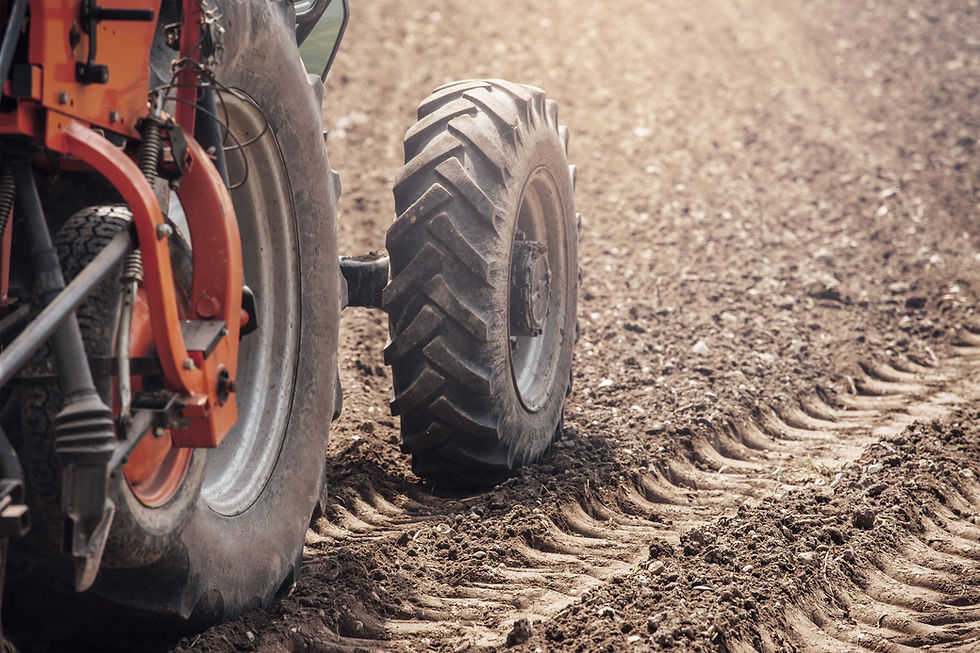
- No soil compaction or tramlines
- Reduced chemical and water usage
- Operate in wet or difficult conditions
Access Hard to Reach Areas
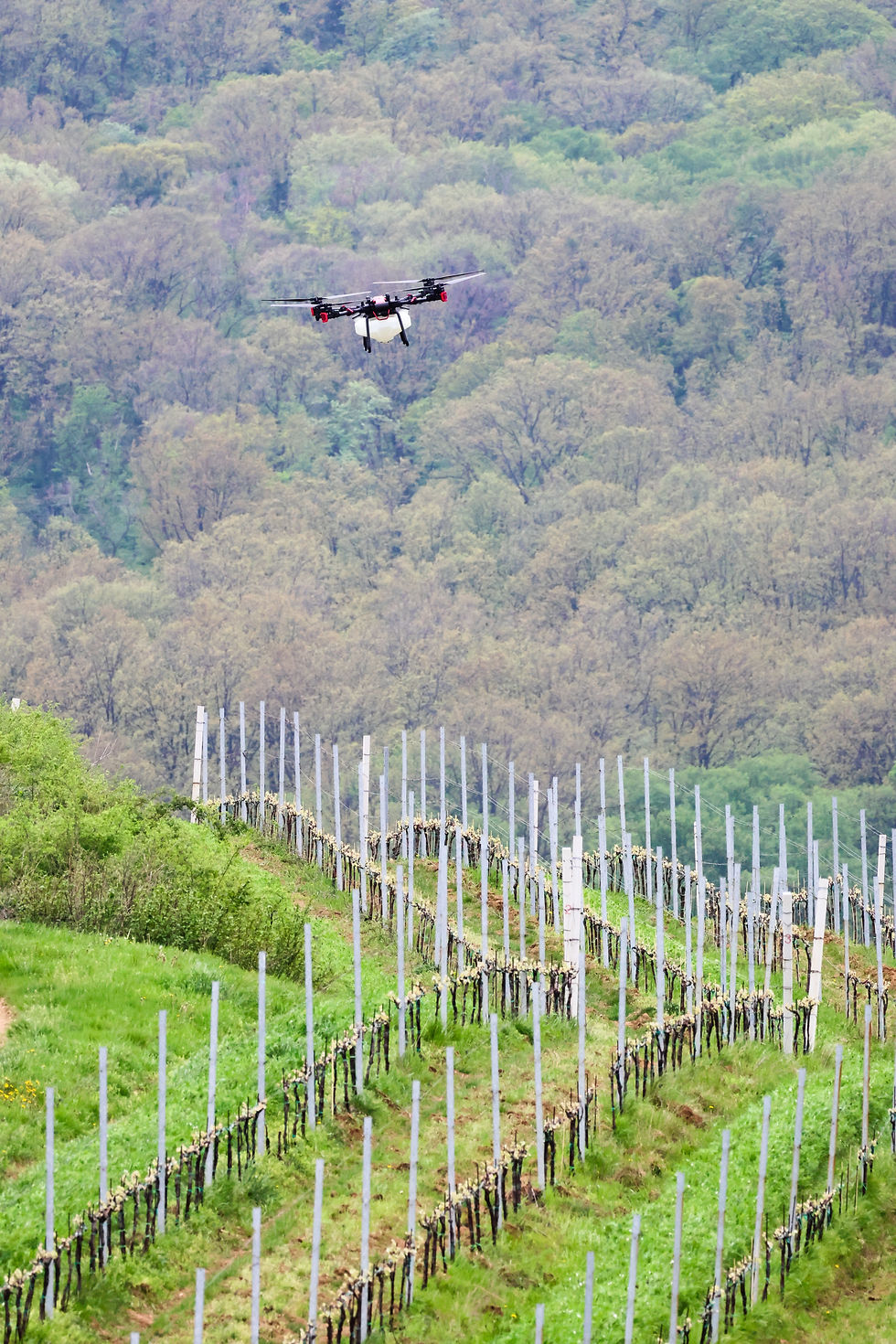
Drones provide access to areas traditional equipment can’t reach.
Unlike conventional boom sprayers, drones can operate in challenging terrain and confined spaces without the need for ground access. Whether it’s steep slopes, waterlogged ground, or obstructed fields, drones can be deployed quickly and safely to treat areas that would otherwise be difficult or impossible to reach, ensuring no part of the crop is left untreated.
Excellent Application and Coverage
Rotor downwash drives spray deep into the crop canopy.
Unlike boom sprayers, drones use powerful rotor downwash to push product into every layer of the crop. The airflow actively displaces foliage, forcing droplets down towards the stem and root zone ensuring a more complete coverage.

Precision Application
Precision application reduces waste and maximises efficiency.
Unlike traditional blanket spraying methods, drones can apply product only where it’s needed, using accurate flight paths and controlled application rates. This targeted approach reduces overall chemical usage while maintaining effective coverage, helping to lower input costs, minimise environmental impact, and improve crop health through more efficient treatment.

Reduced Soil Compaction
Drone application eliminates soil compaction and crop damage.
Unlike heavy ground machinery, drones operate without direct contact with the field, removing the risk of soil compaction, rutting, and trampling. This helps preserve soil structure, maintain healthy root development, and prevent unnecessary crop loss, ultimately supporting stronger yields and more consistent field conditions.